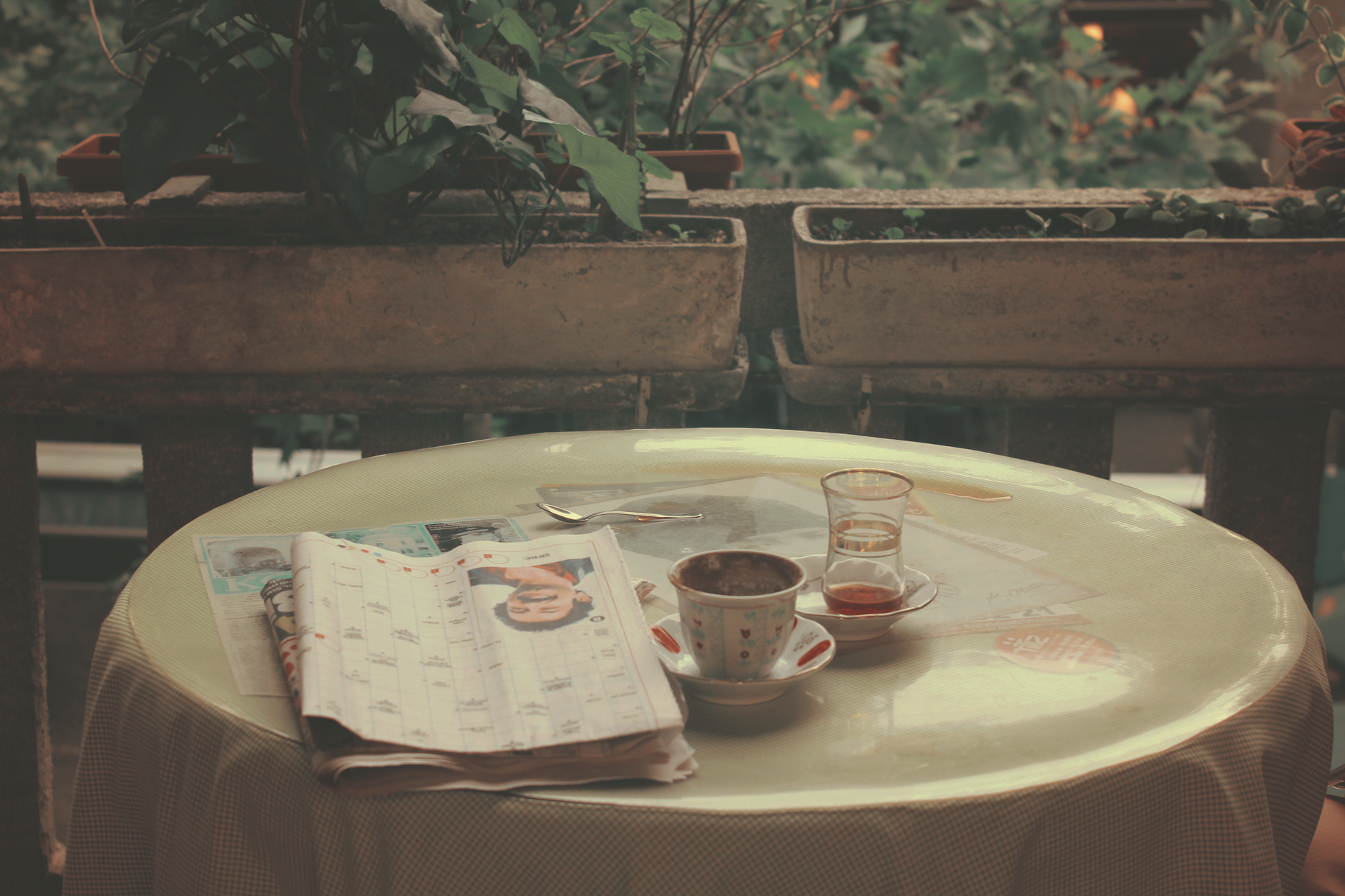
Iemke Roos argues that the small, unglamorous local newspaper carried something no social feed has managed to replace: trust built by proximity, and it deserves deliberate rescue.
There was a newspaper in my home town that nobody would call impressive. It listed who had a new baby, whose cat needed a home, which shed sale was happening on Saturday. My mother, on her island, had the exact same thing in a different accent: small advertisements for a gardener, a cleaner, a secondhand bicycle. It was not sophisticated. It was, if I am honest, a little silly. And it worked in a way that still puzzles me when I try to explain it to younger colleagues.
So the news that the National Trust for Local News has acquired newspapers in Vermont, extending its reach to a fourth state, ought to matter more than it will. It is not a story about circulation numbers or digital transformation. It is a story about whether a very old, very unglamorous kind of trust can be kept alive on purpose, because it will not survive by accident.
What the classifieds actually sold
The genius of the small local paper was never the news, exactly. It was the scaffolding around the news: the classifieds, the community notices, the letters page where someone complained about the state of the roundabout. All of that added up to something that had no price tag but enormous value, which is trust. If you needed a gardener and found one in the paper, you were not choosing a stranger from an algorithm. You were choosing someone who lived four streets away and whose name your neighbor might recognize.
A thought comes, when people say social media does the same job now, only faster. Does it, though. Try selling something on a general marketplace app and see how often the buyer simply does not turn up. It happens constantly, and nobody is surprised, because there is no accountability built into the transaction beyond a username. In a real community, that same no-show carries a small social cost. People remember. That memory, multiplied across a town, is what a local paper both reflected and reinforced. It gave a place something to talk about, and it gave people a reason to behave as though they would see each other again, because they would.
Social media is extraordinary at scale and hopeless at proximity. It can tell you what is happening in a country in real time and tell you almost nothing about who to trust two streets over. WhatsApp groups fill part of the gap, admittedly, and rather well, for the urgent and the local: a burst pipe, a missing dog, a road closed for repairs. But a group chat is not a public record, and it is not open to the person who just moved in and knows nobody yet. It has no classifieds section for the newcomer who needs a plumber and has no one to ask.
Rescue is not nostalgia
What the National Trust for Local News is doing, state by state, is treating this as an infrastructure problem rather than a sentimental one, and that distinction matters. Nostalgia says the old paper was charming and we shall miss it. Infrastructure says a community without a shared, trusted, local record will organize itself worse, trust its neighbors less, and notice its own problems later. Those are different claims, and only the second one justifies spending real money to keep the thing running.
I have no illusions that this can be done everywhere or that ownership by a trust solves every problem a shrinking local paper faces. Advertising revenue that used to fund a small newsroom has largely gone elsewhere and is not coming back. But the alternative on offer, that a Facebook group or a subreddit will quietly replace what was lost, asks readers to accept a downgrade and call it progress. It is not the same thing, dressed differently. It is a different thing, missing the part that could not be digitized because it was never really about the news at all.
Keep the local paper, however modest, however slightly ridiculous its cat photographs. It was never selling information. It was selling the reason to believe your neighbor would show up.